Wedding flower myths have a common ancestor: the idea that flowers are a product you buy, rather than a service performed with perishable materials on a deadline that cannot move. From that one misunderstanding grow the silk savings myth, the DIY myth, and the grocery store shortcut. Charlotte couples hear all of them, usually from someone who means well. Here is the honest accounting for each.
The myths, checked
| Myth | What is actually true |
|---|---|
| Silk flowers are always cheaper | Quality silk costs as much as fresh, stem for stem. The savings appear only with inexpensive silk, which photographs like it. |
| DIY bouquets are a simple weekend project | They are a final week project, in the busiest days of the wedding, with perishable materials and no rehearsal. |
| Grocery flowers arranged at home equal a florist | Grocery blooms are a fine starting material. The florist's value is selection, conditioning, design, and delivery timing. |
| More flowers always look better | Placement beats volume. Well placed arrangements photograph richer than rooms crowded with small ones. |
| Wedding flowers are marked up for the word wedding | Pricing reflects perishability, labor concentrated in two days, and a no second chances delivery, not the word itself. |
Start with silk, since it is the most persistent. Renting or buying realistic silk flowers is a legitimate choice for allergies, destination logistics, or keepsake bouquets. But the price comparison people imagine, fresh prices against craft store stems, is not the comparison that produces a convincing result. Good silk is a premium product. Couples regularly discover the two quotes land within reach of each other, at which point fresh flowers, with their scent and movement, tend to win the argument on their own.
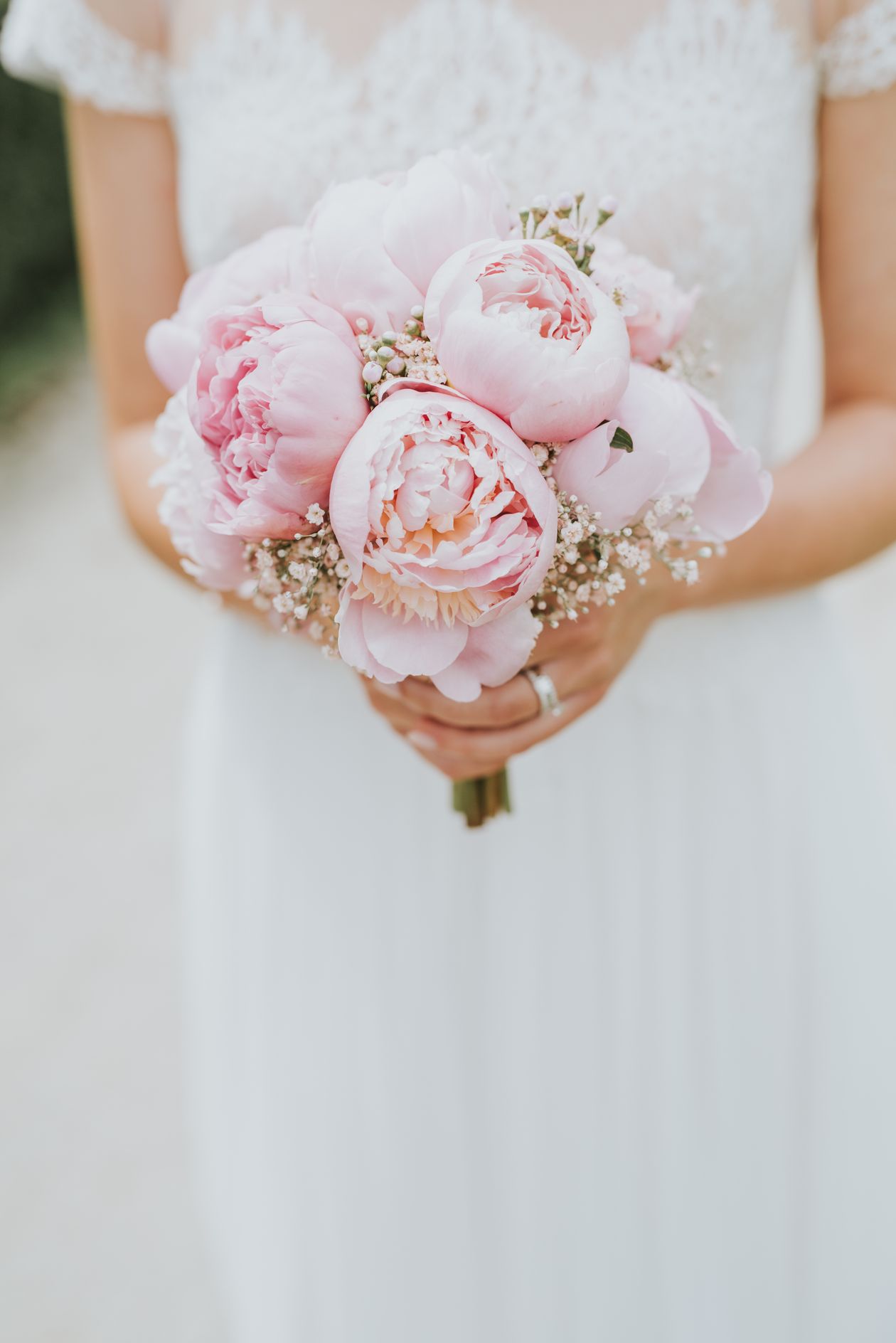
The DIY question deserves a fair hearing
DIY flowers can work, and florists know the profile: a small wedding, a handy couple, family help, loose and garden style designs that forgive imperfection, and, crucially, a schedule with slack in the final days. Where DIY collapses is scale and timing. Flowers must be bought, conditioned, arranged, transported, and set up in the same forty eight hours as the rehearsal, the welcome events, and being a person getting married. The question is never can you arrange flowers. It is whether you want a perishable production job on your wedding week calendar.
The middle path many couples take: a florist for the personal flowers and ceremony, where design and photography stakes are highest, and simple DIY for low stakes spots like a welcome table. That split spends the professional money where it visibly counts.
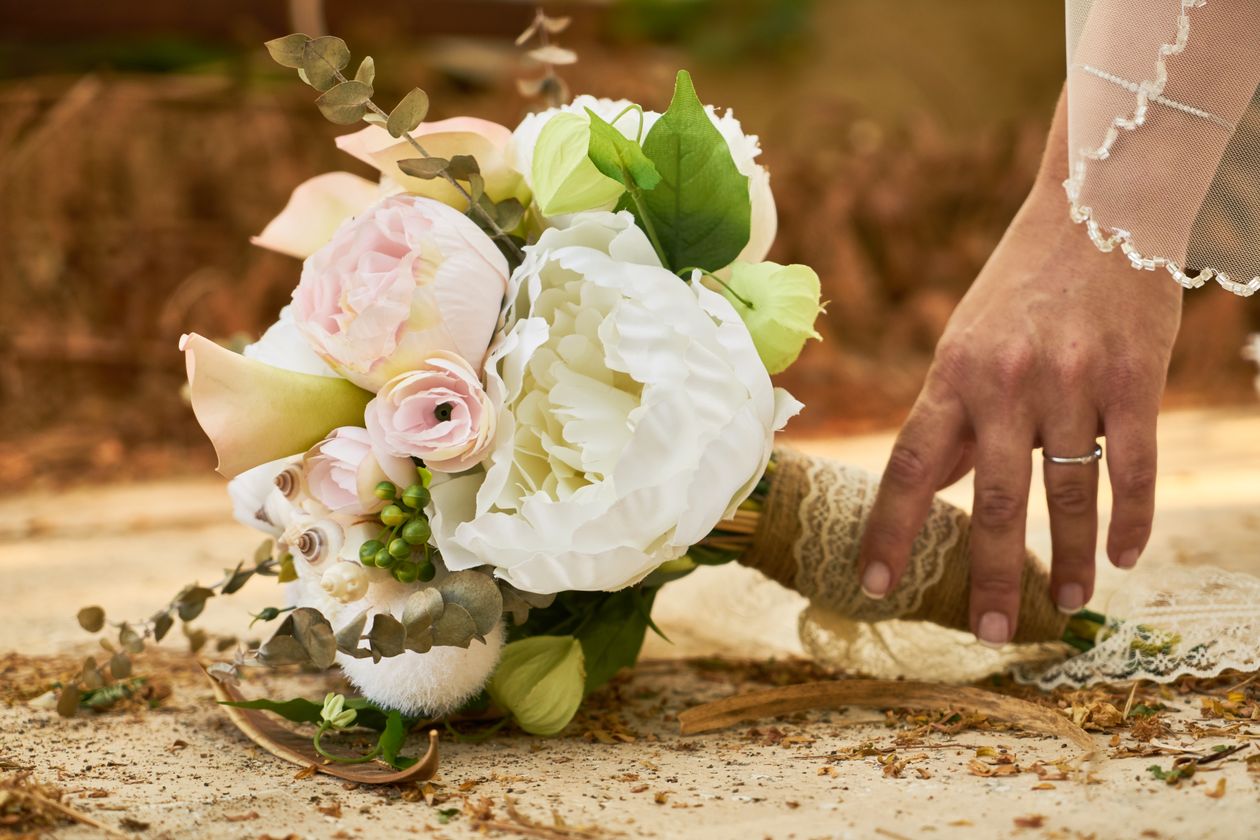
And the grocery store shortcut is best reframed rather than mocked. Loose grocery blooms arranged loosely in bud vases are a charming look for a rehearsal dinner or a shower. The shortcut fails when it is asked to perform as designed wedding work: matched palettes, conditioned stems, structured bouquets, and a delivery van arriving on schedule. Different jobs, different tools.
The myth underneath the myths
Underneath all five sits one more assumption worth retiring: that the price of wedding flowers is mostly the price of the flowers. Wholesale stems are a minority of what a wedding flower invoice contains. The rest is design time across months of planning, the studio and cooler space that keep perishables alive, a team for the two production days, delivery vehicles, setup labor at the venue, and the expertise that knows a hydrangea will fail at a July ceremony before it does. When couples compare a florist's quote against a bucket of grocery stems, they are comparing a finished, delivered service against raw material, which is like comparing a catered dinner against a bag of groceries.
None of this obligates anyone to hire a florist. It just prices the choice honestly. Couples who know what the service actually includes can decide, with open eyes, which parts to buy and which to do themselves, and they tend to end up satisfied with either path. The myths are the only option that reliably disappoints, because they promise a result that the arithmetic never supported.
Common questions
Are silk flowers cheaper than fresh?
Only at the inexpensive end, where they also look inexpensive. Quality silk that photographs convincingly costs roughly what fresh flowers cost.
When does DIY wedding flowers make sense?
Small weddings, garden style designs, plenty of help, and a final week schedule with real slack. It fails when scale and a packed wedding week collide.
What am I paying a florist for, beyond the flowers?
Selection in season, conditioning, design, the labor concentrated into the final two days, and timed delivery and setup with no second chances.
Photos in this guide are representative stock images.
← All guides from Lily Greenthumb's Wedding and Event Design← Back to Lily Greenthumb's Wedding and Event Design